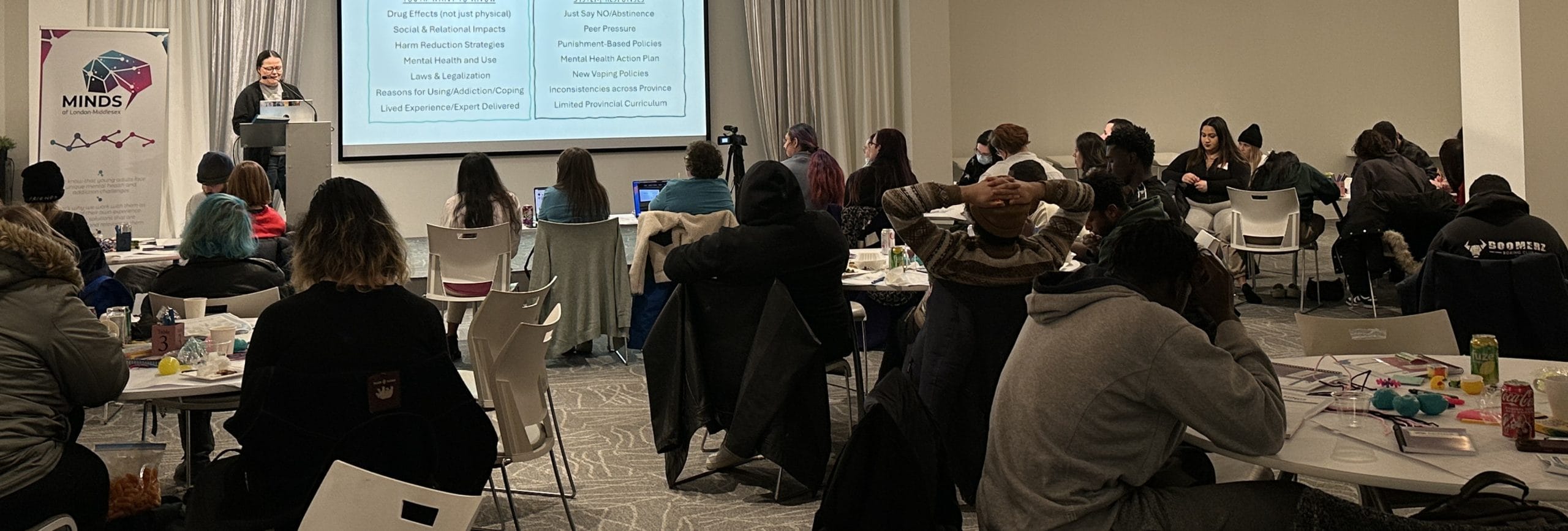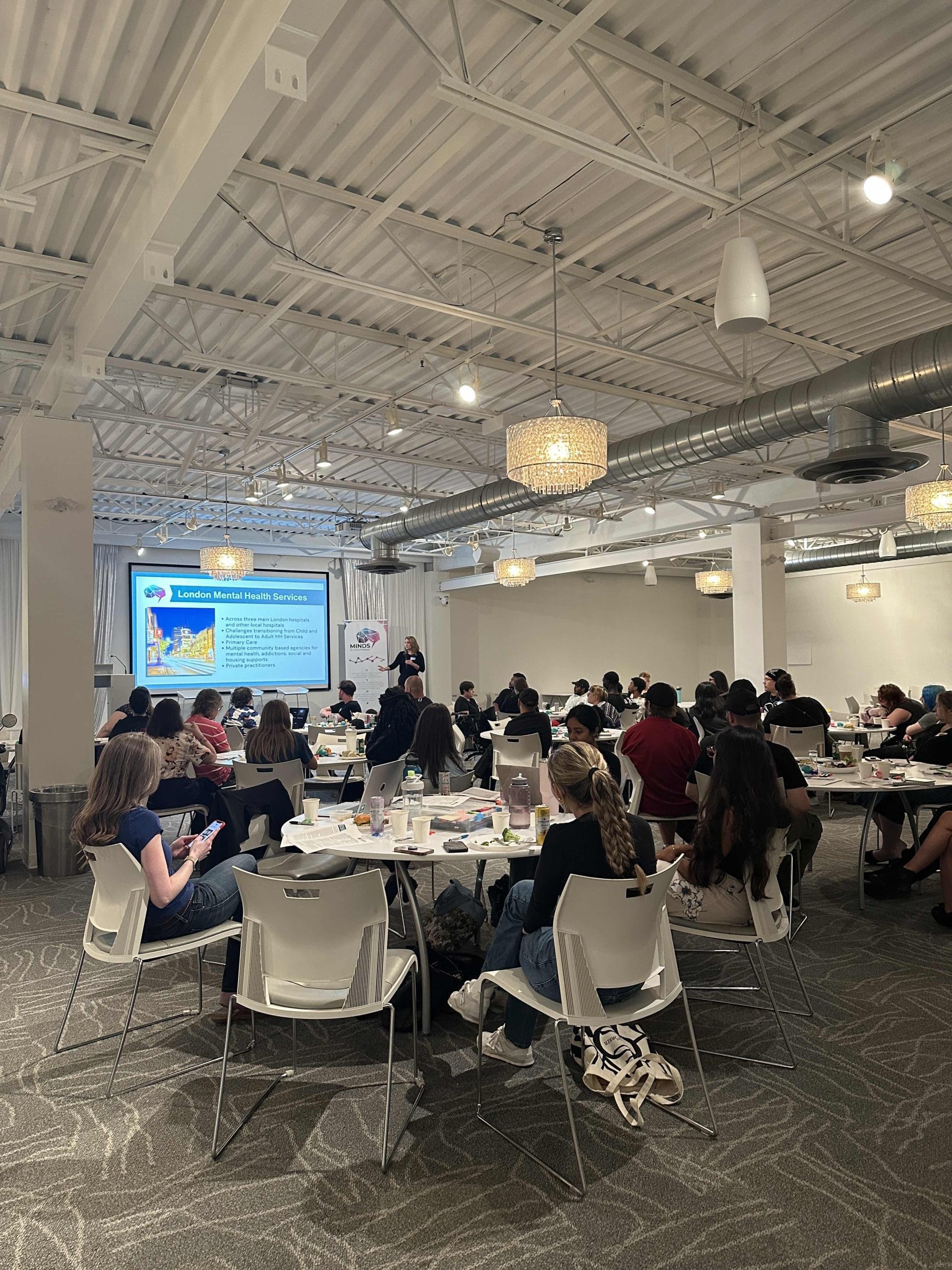
The Mindful Social Innovation (MSI) Training Program 2025, led by MINDS of London-Middlesex, concluded this past month in October with the “Mental Health and Addiction System Innovation Pitch”. This was an opportunity for the community, leaders, researchers, and advocates to learn about MSI and the projects that were created by our inaugural cohort.
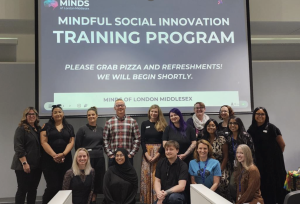
The MSI program wasn’t just a series of 9 sessions hosted across several months this year but a collaborative innovation lab that brought together community leaders, practitioners, and advocates in different sectors to co-create real solutions to local mental health and addiction challenges. With the support of our Lived Experience Advisors who brought their unique experiences and insights navigating the mental health and addiction system, three teams were able to put together projects that addressed a particular issue that they had observed.
So, what happens when you create a space for mindful social innovation in London-Middlesex? You get projects like these:
Grounds for Good | Social Media Solution to System Navigation
Youth facing mental health and addiction challenges are overwhelmed by information yet unsure where to turn, often held back by fear, stigma, or lack of adult support. Traditional resources feel inaccessible or irrelevant. This project meets youth on their terms, through memes and social media.
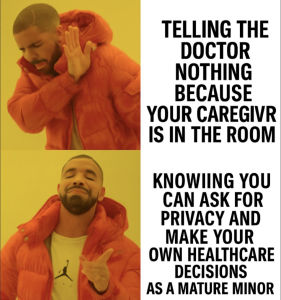
The Grounds for Good team is creating a youth-led, open-source repository of Instagram carousels, posters, and QR-based materials that pair relatable humour with direct links to trustworthy local supports and resources. Co-created with young people and designed for easy reuse by schools, nonprofits, and frontline workers, this approach turns everyday scrolling into moments of connection, validation, and action. Being low-cost, scalable, and culturally current, this initiative transforms how system navigation is communicated to youth, transforming their care journey from intimidating to accessible
Mindful Highs | Cannabis Education Through Story & Humour
Mindful Highs is a youth-led social media campaign that reframes cannabis education through humour, storytelling, and harm reduction. Instead of clinical or stigmatizing messages, the project delivers meme-based Instagram carousels featuring real lived-experience stories and quick “Fact or Fiction” insights, helping 18–25-year-olds make informed choices without judgment.
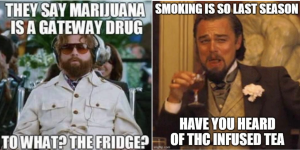
Co-created through youth workshops, the series offers an authentic, scalable model for schools and community partners to share cannabis safety information in ways that young people engage with.
FACT OR FICTION: All cannabis is the same.
FICTION!
Products with lower THC content and higher CBD tend to have fewer potential risks and health consequences. Synthetic cannabis products tend to have higher doses of THC that could cause harm and/or come with unpredictable and unwanted experiences.
No Pressure | Turning Waitlists into Lifelines
The No Pressure project proposes a proactive support model that transforms waitlists into lifelines for youth who are turned away from services due to age restrictions, capacity limits, or long delays. Instead of leaving young people without options, the program connects them to peer mentors, safe community spaces, and practical life-skills workshops while they wait for formal services. Led by frontline professionals with lived experience and strong community connections, No Pressure aims to provide a space for young people to belong, build resilience, and receive early intervention, turning moments of delay into opportunities for growth. “Wait time shouldn’t mean decline.”
What We Learned From the MSI Program
This year’s MSI cohort shared insightful reflections about their experiences in the program. Participants shared that they learned to slow down, question automatic patterns, and approach complex challenges with more mindfulness, creativity, and intention.
Some participants highlighted the strong sense of community that formed through our reflection circle, teamwork time, and moments of genuine vulnerability. Some have already brought the MSI practices back to their own youth and clinical programs, seeing more engagement, connection, and even a bit more joy. Guest speakers and Lived Experience Advisors also stood out as major strengths, offering grounded insights, passion, and real-world experience that deeply resonated.
At the same time, participants expressed a need for clearer expectations around workload, outcomes, and time commitments. Some felt unprepared for the depth and volume of work required, while others noted that long breaks (over the summer) between sessions made it difficult to maintain momentum. Suggestions included offering more intensive scheduling formats (such as a five-day immersion or weekly sessions without gaps), increasing structured group work time and consistently communicating program demands
Overall, the sentiments around the program were mostly positive. Majority described the program as a great opportunity with some going as far as claiming it was excellent and the best leadership training they had experienced.
Looking Ahead: Building a Sustainable Future
The MSI Training Program is only the beginning. The MINDS team is hoping for continued evaluation, adaptation, and scalability of the program to create a sustainable movement towards better mental health and addiction care, as well as other social issues. Given the growing challenges faced by young adults, including housing instability and isolation, the need for innovative solutions as well as spaces where people are empowered to influence and create change is stronger than ever.
Whether it’s through mindfulness, intersectoral collaboration, or simply a commitment to understanding one another, the future of mindful social innovation in Canada looks promising in leading the way towards better care and holistic wellbeing!
Written By: Shara Thomas